MoneyGram Launches a Stablecoin-Backed Visa Card in Colombia
The virtual card lets eligible users spend a USDC balance anywhere Visa is accepted, built on infrastructure from Rain and Crossmint and settled on the Stellar network. A physical card is planned for later this year.
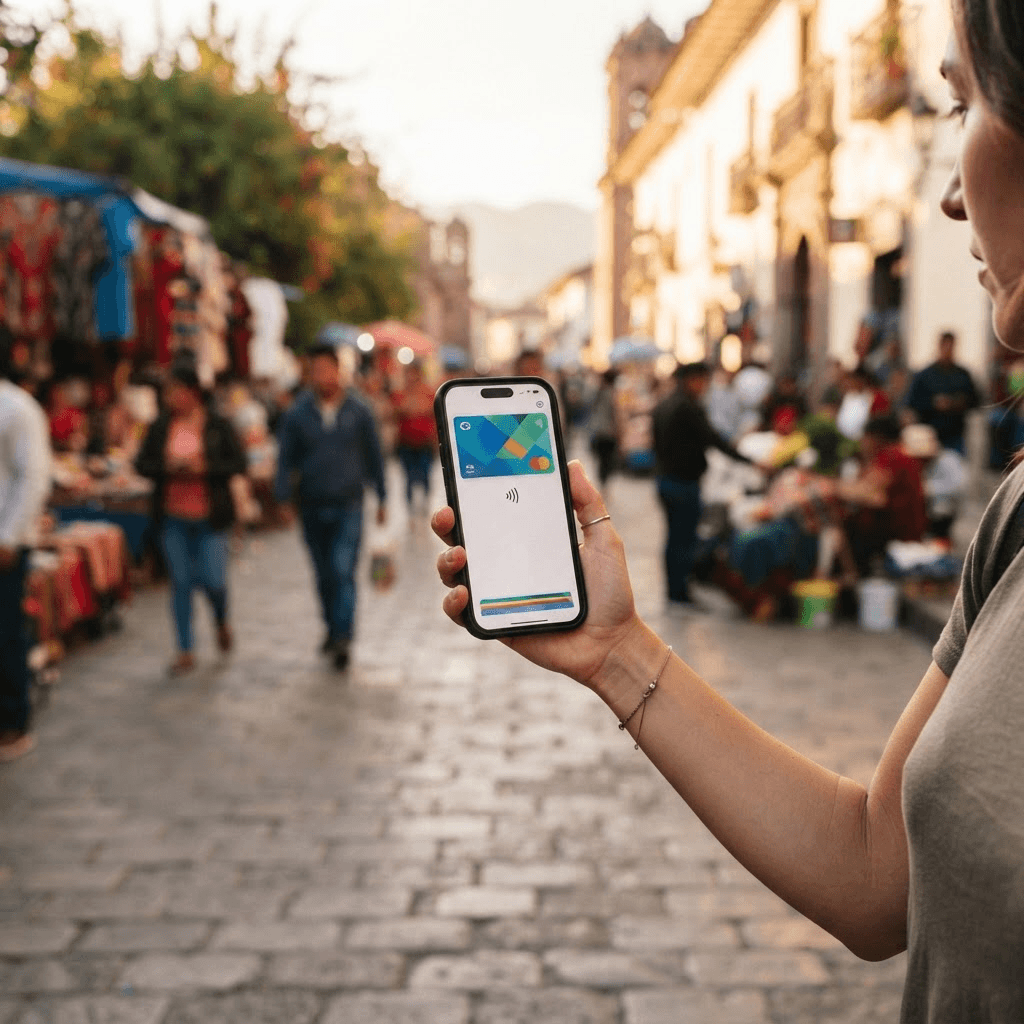
BOGOTÁ — MoneyGram launched a stablecoin-backed Visa card in Colombia on Thursday, letting eligible users spend a USDC balance held in the MoneyGram app anywhere Visa is accepted, in addition to the company’s existing cash-pickup network. The card is virtual at launch — addable to Apple Wallet and Google Wallet — with a physical card planned for later this year.
The company built the product on infrastructure from two crypto-focused fintech firms rather than entirely in-house: card issuing runs through Rain, a stablecoin-native card platform, and the underlying wallets run through Crossmint, with transactions settling on the Stellar blockchain. That combination — a legacy remittance brand pairing with newer crypto-infrastructure specialists rather than building custody and issuing from scratch — has become a common pattern as traditional payments companies move into stablecoin-linked products on a shorter timeline than in-house development would allow.
USDC, the dollar-pegged stablecoin issued by Circle, powers the card at launch, but MoneyGram said it plans to add support for its own token, MGUSD, at a later date. That sequencing — launching on an established third-party stablecoin before rolling out a proprietary one — lets the company get the card to market on infrastructure that already has liquidity and merchant acceptance, while it continues building whatever MGUSD requires separately.
For MoneyGram, a company whose business has historically centered on cash-based remittances, a stablecoin-linked spending card is a fairly direct response to competitive pressure from crypto-native remittance and payments apps that have targeted the same corridor between the U.S. and Latin America with faster, lower-cost dollar transfers. Colombia specifically has been an active market for stablecoin adoption, given persistent demand for dollar-denominated savings and payments alongside the peso.
The card’s reliance on Visa’s network for point-of-sale acceptance, rather than a closed-loop wallet, is likely the more consequential design choice than the stablecoin backing itself: it means a MoneyGram Card user is not limited to merchants who have separately integrated crypto payments, which has been one of the more persistent adoption barriers for stablecoin-linked consumer spending products elsewhere in the region.