Company Spotlight · Sponsored
HL Hunt’s Hunt Score Promises Sub-250ms Underwriting Across 55-Plus Products
HL Hunt Financial sponsored this Company Spotlight on AI Underwriting, its Hunt Score decision engine that says it analyzes 1,000-plus data signals, supports configurable risk models and offers white-label REST API integration.
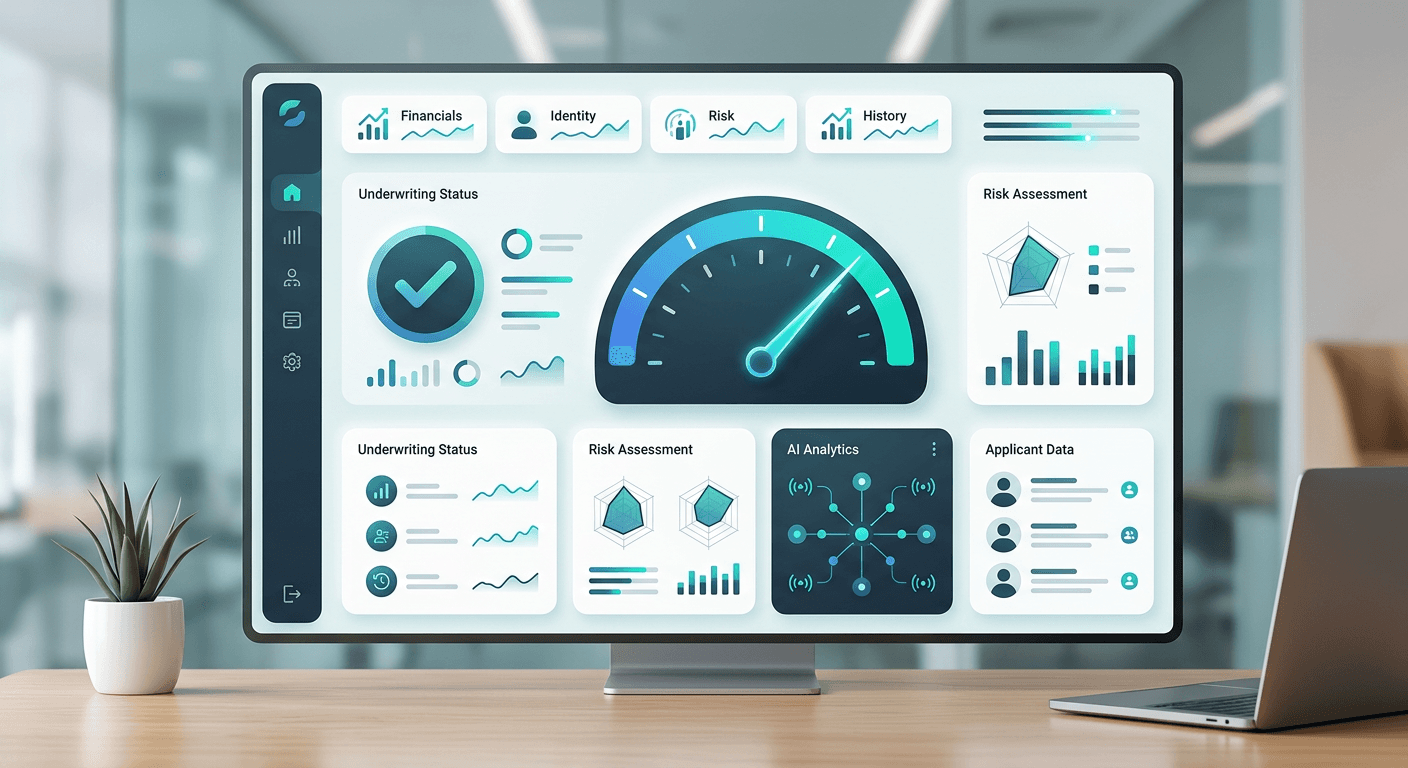
SPONSORED CONTENT — HL Hunt Financial markets Hunt Score as an AI underwriting engine for banks, fintechs, dealers and other businesses that extend credit or coverage. Its AI Underwriting page says the system analyzes more than 1,000 traditional and alternative signals — including bureau data, bank transactions, rent payments, utility history, income stability and cash flow — to return a decision in under 250 milliseconds.
The product is designed as a decision layer rather than a consumer-facing credit score. Lenders can configure approval thresholds, use auto-approve, conditional or manual-review paths, and build custom models for different products or borrower segments. HL Hunt also advertises white-label widgets, a REST API, multi-tenant configurations and ongoing retraining on lender outcome data.
The page lists built-in adverse-action notices, ECOA and FCRA compliance support, disparate-impact monitoring, identity and synthetic-ID detection, and portfolio analytics. Those are important workflow features, but “compliant” is ultimately a claim that depends on how a lender configures the model, the data it uses, the decisions it makes and its ongoing testing. HL Hunt does not publish an independent audit of Hunt Score’s accuracy, fairness or default-reduction claims on the product page.
HL Hunt’s advertised performance figures include 34% more approvals, 50%-plus lower default rates and 99.7% fraud caught before approval. These are company-reported marketing claims, not independently verified benchmarks. Pricing starts at $495 per month plus $2.50 per assignment for the Starter tier, while Professional and Enterprise tiers add business underwriting, broader data connections, custom models and compliance reporting. A lender evaluating the product should request validation samples, model documentation, monitoring methods and adverse-action testing before treating those claims as evidence of outcomes.