Online Lender Avant Files to Become Its Own Bank
The Chicago-based consumer lender has applied to the OCC and FDIC to charter Avant Bank, N.A., a move meant to cut its funding costs and replace state-by-state lending licenses with a single federal charter.
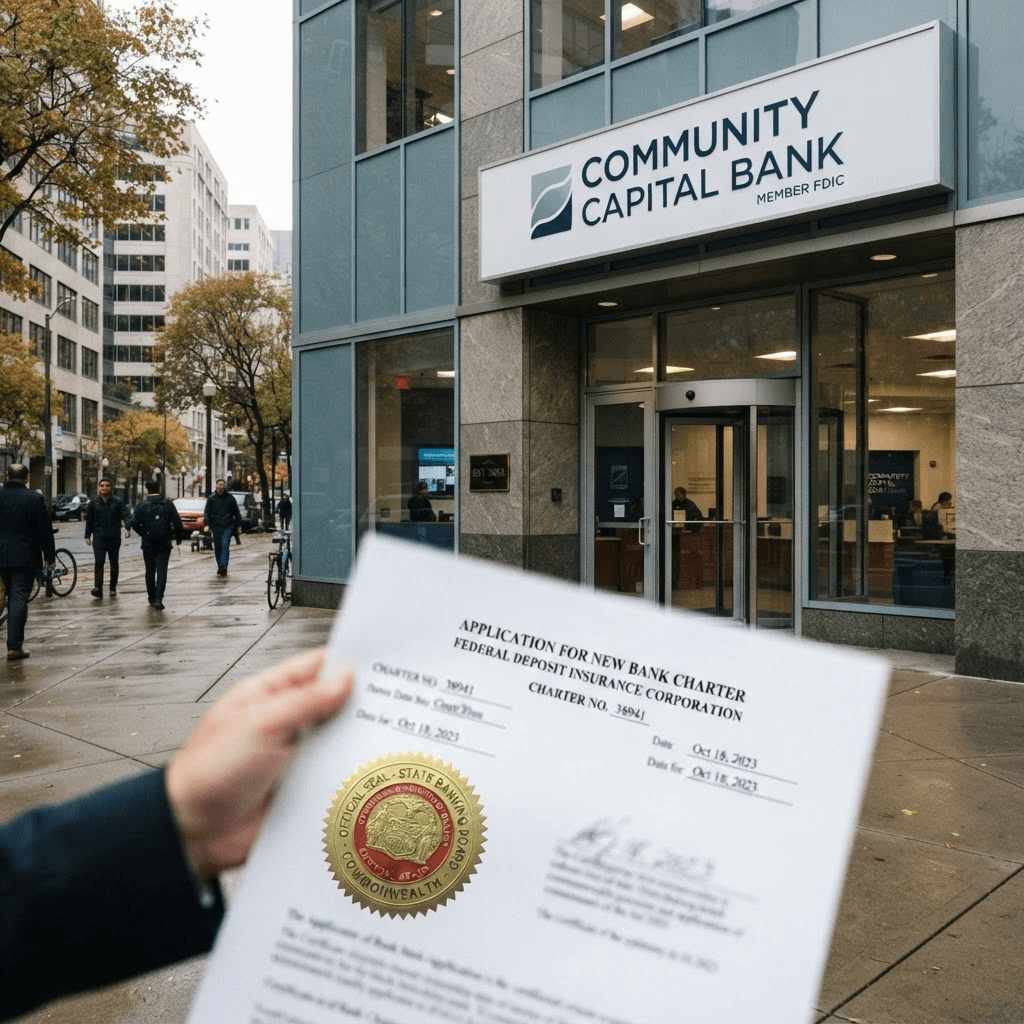
CHICAGO — Avant, the Chicago-based online consumer lender, has filed an application with the Office of the Comptroller of the Currency and the Federal Deposit Insurance Corporation to charter a new national bank, Avant Bank, N.A. The filing would convert Avant from a non-bank lender that originates loans through third-party bank partners into a directly chartered, federally insured depository institution.
The company has framed the move around two practical benefits of holding a charter rather than operating as a fintech layered on top of partner banks: a lower cost of funds, since a chartered bank can take deposits rather than relying entirely on wholesale funding and warehouse credit lines, and a simpler regulatory footprint, since a national charter would let Avant originate and hold loans directly under one federal framework instead of navigating separate lending licenses state by state.
If approved, Avant has said its Chief Business Officer, Charles Whittaker, is slated to become the new bank's chief executive, with Chief Operating Officer Margaret Hermes moving into the President and COO roles. Neither the OCC nor the FDIC has approved the application, and de novo bank charter reviews of this kind typically run for many months and can be denied or require significant conditions before a decision is reached.
Avant is not the first consumer fintech lender to pursue this path. A wave of online lenders and payment companies have filed for national trust or bank charters in recent years as a way to reduce dependence on partner-bank relationships, which carry their own regulatory scrutiny and can be disrupted if a sponsor bank exits the arrangement or comes under supervisory pressure. A successful charter would give Avant more direct control over its lending economics, but it would also subject the company to bank-level capital, liquidity and examination requirements it has not previously operated under as a non-bank lender.
The application's outcome will be a useful signal for how regulators are currently treating fintech-to-bank conversions more broadly, at a time when several other non-bank lenders and payment platforms are weighing similar filings rather than continuing to operate solely through sponsor-bank partnerships.